

Physiotherapy Group Exercise
What is Physiotherapy Group Exercise?
Physiotherapy Group Exercise is an individualised, physiotherapist-led program based on Clinical Pilates principles. It focuses on posture, core stability, strength and movement control to improve the way your body functions.
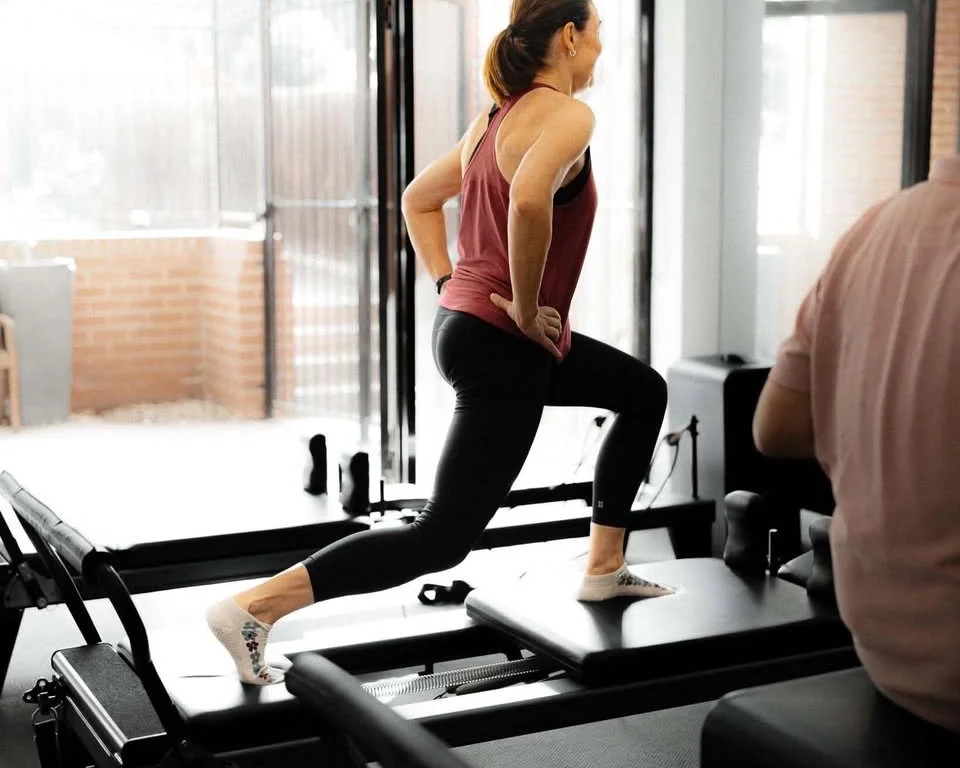
Each participant follows a tailored exercise program under the supervision of a qualified Physiotherapist. Classes incorporate specialised resistance equipment to safely and effectively target specific muscle groups and movement patterns.
Who is suitable for physiotherapy Group Exercise?
Physiotherapy Group Exercise is safe and effective for people of all ages, including pregnant women and older adults. It is commonly used to assist with:
Back and neck pain
Headaches
Arthritis
Post-operative rehabilitation
Postural concerns
Work injuries
Whiplash
Pelvic and hip pain
Exercises are progressively advanced to ensure ongoing improvement and an appropriate level of challenge.
The Equipment
Sessions are performed using Pilates Reformers and the Trapeze Bed, which use adjustable spring resistance. Resistance levels and exercises are carefully matched to your individual needs, goals and fitness level.
How to get started?
Begin with an Introductory Assessment with one of our Physiotherapists. Before joining classes, you will attend at least two individual sessions to:
Discuss your goals
Complete a comprehensive assessment
Develop your personalised program
Programs are reviewed every 2–4 months to monitor progress and make adjustments as needed.
Classes are capped at four participants to ensure close supervision. We also offer small “buddy” sessions (two participants) for those who prefer a more personalised environment.
As classes are run by qualified Physiotherapists, you may be eligible to claim rebates through Private Health Insurance extras cover.
Why Physiotherapy Group Exercise?
Unlike general Pilates classes, our physiotherapist-led sessions are designed to address specific injuries and conditions. We identify key problem areas and apply targeted strengthening and control exercises to optimise movement, improve stability and reduce injury risk.
Benefits May Include:
Faster recovery from injury
Improved posture and flexibility
Increased strength and muscle tone
Better core control
Reduced risk of future injury